Chocolate hampers are the edible equivalent of a warm hug—especially when they showcase the flavors of your own neighbourhood. In this article we’ll explore how to pick the perfect basket, why local ingredients matter, and what to watch for so your gift feels as thoughtful as a handwritten note. Whether you’re shopping for a corporate client, a birthday celebration, or just because, the right hamper can turn a simple treat into a memorable experience.
Understanding the Appeal of Local Chocolate Hampers
When you opt for chocolate hampers that feature locally sourced ingredients, you’re doing more than just buying sweets. You’re supporting farmers, artisans, and small businesses that pour their heart into every cocoa bean, nut, and fruit. This creates a story behind each bite—something that mass‑produced chocolate often lacks.
*Why does this matter to the recipient?* Because people love to know where their food comes from. A hamper packed with honey from a nearby apiary or sea salt harvested on a regional coast adds authenticity. It’s the culinary version of “buy local, think global”—you get the comfort of familiar flavours while contributing to a sustainable economy.
Evaluating Quality Before You Buy
Taste Tests and Texture Checks
The first rule of choosing chocolate hampers with local ingredients is to assess the chocolate itself. High‑quality chocolate should snap cleanly when broken, melt smoothly on the tongue, and leave a lingering, pleasant after‑taste. If the cacao feels grainy or the sweetness overwhelms the natural notes, the product may be over‑processed.
Ingredient Transparency
Look for clear labeling. A reputable producer will list the origin of each component—whether the hazelnuts are from a nearby orchard or the dairy comes from a regional farm. Transparency signals confidence and often correlates with higher quality.
Ethical Sourcing
Even local producers can fall short Home page on ethical practices. Verify that the chocolate adheres to fair‑trade or similar standards. When you see certifications like “Rainforest Alliance” or “Fair for Life,” you can rest easier knowing the farmers were treated fairly.
Quick Checklist for Quality
- Snap test: Does the chocolate break cleanly? Aroma: Are there nuanced notes of fruit, nuts, or spice? Label clarity: Are origins and percentages disclosed? Certifications: Fair‑trade, organic, or other ethical marks present? Shelf life: Is the “best before” date reasonable for gifting?
Sourcing Local Ingredients: What to Look For
Regional Cocoa and Complementary Flavours
While cocoa beans often travel far, many regions now host micro‑cocoa farms that produce beans with distinct terroir. Pair these with locally grown add‑ins—think rosemary‑infused dark chocolate from a coastal herb farm or caramel made with milk from a nearby dairy.
Seasonal Produce
Seasonality can turn a good hamper into a great one. A spring hamper might include strawberry‑filled truffles sourced from a local berry farm, while an autumn version could feature pumpkin‑spice ganache using pumpkins grown just outside town. Seasonal ingredients not only taste fresher but also show that you’ve timed the gift thoughtfully.

Artisanal Partnerships
Some chocolatiers collaborate with local bakers, cheese makers, or brewers to create unique pairings. A hamper that includes a small wheel of goat cheese from a family farm alongside dark chocolate with a hint of local honey is a classic example of a partnership that elevates both products.
> “Great chocolate is a conversation between the cacao and the land it comes from,” says renowned chocolatier Elena Marquez.
Packaging and Presentation: The Visual Bite
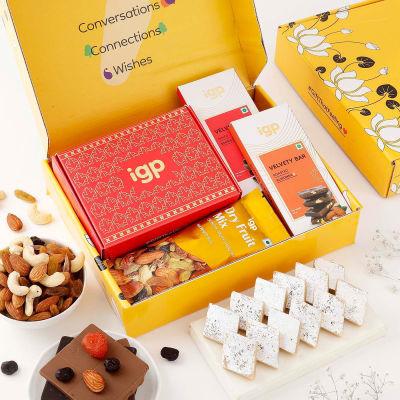
Even the most delectable chocolates can lose their impact if the packaging feels cheap. Look for hampers that use recyclable or reusable containers—think wooden crates, canvas tote bags, or tin boxes that can be repurposed. A well‑designed package not only Chocolate arrangements protects the chocolates but also adds an extra layer of delight when the recipient unwraps it.
Personalization Options
Many local producers offer custom ribbons, engraved tags, or even a handwritten note. Adding a personal touch can turn a generic gift into a keepsake. If you’re sending a hamper to a corporate client, consider a subtle logo embossing that doesn’t overwhelm the natural aesthetic.
The “Wow” Factor
A clever arrangement—like nesting smaller jars of local honey within a larger chocolate-filled basket—creates a visual story. Think of it as a symphony of textures and colours, each element playing its part in a harmonious whole.
Pricing and Value: Getting the Most Bang for Your Buck
Choosing chocolate hampers with local ingredients doesn’t have to break the bank, but it does require a bit of savvy shopping. Prices can vary widely based on the rarity of the ingredients and the craftsmanship involved. Here are some tips to ensure you’re getting value:
- Compare per‑piece cost: Divide the total price by the number of chocolates to gauge fairness. Look for bulk discounts: Some artisans offer reduced rates for larger orders—perfect for office celebrations. Consider the story: A slightly higher price may be justified if the hamper supports a community project or a charitable cause.
Remember, the proof is in the pudding—or in this case, the chocolate. A modestly priced hamper that uses high‑quality local honey can feel richer than an expensive one packed with generic fillers.
Making Your Selection Count
Now that you’ve navigated taste, sourcing, packaging, and price, it’s time to bring it all together. Imagine you’re at a local market, the air scented with roasted cacao and fresh rosemary. You spot a stall where a friendly chocolatier offers a sample of sea‑salt caramel truffle made with salt harvested from a nearby lagoon. You bite, and the flavors dance like a summer breeze across a meadow. That moment—pure, authentic, unforgettable—is exactly what you want to capture in your gift.
A Quick Recap
- Prioritize quality: Snap, aroma, and clear labeling are non‑negotiable. Embrace local flavours: Seasonal produce and regional pairings add depth. Mind the packaging: Reusable, attractive containers enhance the experience. Balance price and purpose: Value isn’t just monetary; it’s also emotional and ethical.
Take the Next Step
Ready to start choosing chocolate hampers with local ingredients for your next occasion? Browse local artisan directories, ask friends for recommendations, or visit a farmers’ market to sample options in person. By investing a little time now, you’ll deliver a gift that feels as personal as a handwritten letter—plus, you’ll support the people who make those delicious treats possible.
Happy gifting, and may your hampers always be as sweet as the relationships they celebrate!