Finding the sweet spot between daring new flavors and beloved classics is a daily challenge for any confectionery professional. Whether you run a boutique bakery, a grocery‑store candy aisle, or an online dessert subscription, the ability to manage the balance between novelty and classic sweet selections can turn a modest sales month into a record‑breaking one. In this guide we’ll explore why that balance matters, break down the psychology of each side, and deliver actionable tactics—plus a dash of humor—to keep your customers coming back for both the familiar and the fresh.
Why the Sweet Balance Matters
Ever walked into a shop and felt torn between the comforting aroma of vanilla‑scented buttercream and the bold buzz of a match‑a‑lactic caramel? That moment of indecision is a goldmine. It tells you that customers are craving both stability and surprise.
> “Innovation distinguishes between a leader and a follower.” – Steve Jobs
If you lean too heavily on classic sweet selections, you risk becoming a nostalgic museum—interesting, but not necessarily a destination. On the flip side, an endless parade of novelty items can leave shoppers feeling like they’re on a roller‑coaster that never stops, eventually prompting them to hop off. So, how do you keep the line moving without losing the crowd? The answer lies in thoughtful curation, data‑driven decisions, and a pinch of culinary daring.
Understanding Classic Sweet Selections
Timeless Flavors that Never Fade
Classic sweet selections are the foundation of any dessert portfolio. Think chocolate chip cookies, strawberry shortcake, or a perfectly glazed donut. These items have survived generations because they tap into deep‑seated comfort cues—often linked to childhood memories or cultural rituals.
- Consistency: Customers expect the same taste, texture, and appearance every time. Reliability: Classic items provide a predictable revenue stream, especially during off‑season periods. Brand Identity: They serve as a signature that differentiates you from competitors.
Customer Expectations for the Classics
When a patron orders a “classic” treat, they’re not just buying a product; they’re buying an experience that feels familiar and safe. This expectation creates a baseline trust that you can later leverage when you introduce something new. If the classic line falters, the entire brand reputation can wobble like a cake without a proper crumb structure.

The Allure of Novelty Sweets
Trend‑Driven Flavors and Their Shelf Life
Novelty sweets are the spark that draws attention on social media feeds and in storefront windows. From lavender‑infused macarons to charcoal‑black ice cream, these creations ride the wave of current trends. Their advantages include:
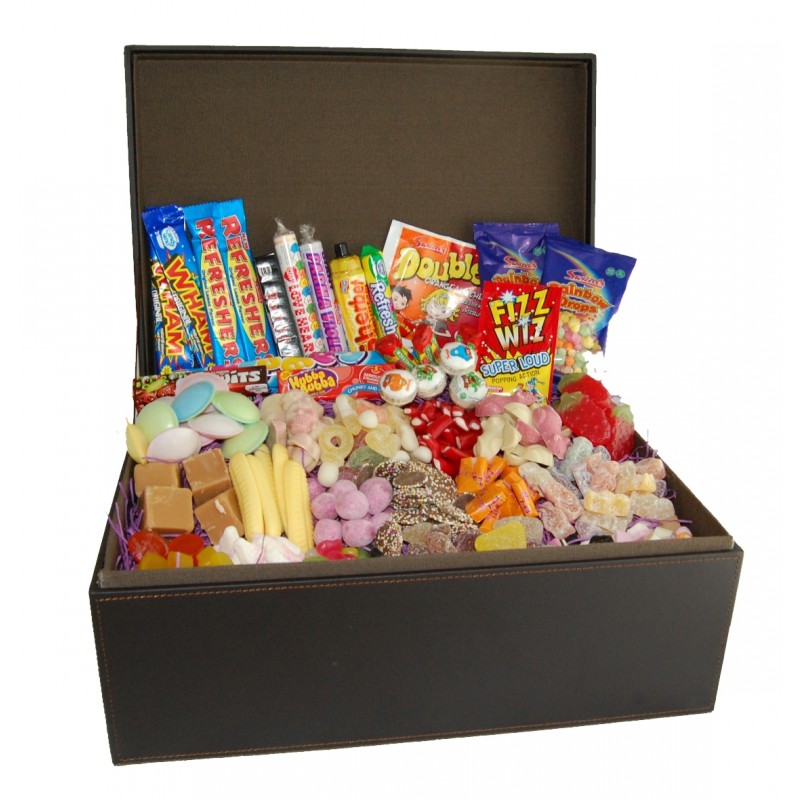
- Buzz Generation: Limited‑edition items encourage urgency (“Get it before it’s gone!”). Higher Margins: Unique ingredients often justify premium pricing. Market Differentiation: They set you apart in a crowded marketplace.
Risks of Over‑Innovation
But novelty can be a double‑edged sword. If you launch a new flavor every week, you might end up with a kitchen that looks like a chemistry lab—confusing for staff and overwhelming for customers. Too many experiments can also dilute your brand’s core identity, leaving loyal patrons wondering where the “real you” went.
*Rhetorical question*: How many lavender‑lemon cupcakes can one bakery realistically sell before the novelty wears off?
Practical Strategies to Manage the Balance
Below are five proven tactics to help you manage the balance between novelty and classic sweet selections without breaking a sweat:
- Seasonal Rotation: Keep classics year‑round, but introduce two–three limited‑edition items each season. This creates a predictable rhythm that customers can anticipate. Cross‑Pollination: Infuse a subtle twist into a classic—think a hint of sea‑salt in a traditional caramel. The result feels both familiar and fresh. Data‑Driven Pilots: Use small‑batch test runs and track sales, social engagement, and repeat purchases before committing to full production. Storytelling: Pair each novelty item with a narrative (origin of the ingredient, the inspiration behind the flavor). Stories make the unfamiliar more approachable. Feedback Loops: Encourage customers to vote on upcoming flavors via email or in‑store QR codes. Giving them a voice turns novelty into a collaborative experience.
A Real‑World Anecdote: The Bakery That Got It Right
When “Sweet Street Bakery” opened its doors in 2018, the owner, Maya, faced a dilemma: her menu was saturated with artisanal pastries, but sales plateaued. She decided to trim the menu to five timeless staples—cinnamon rolls, chocolate brownies, lemon bars, peanut butter cookies, and fruit tarts. Then, each quarter, she introduced a single “mystery bite” that combined one classic element with an unexpected flavor (think brownie with a dash of espresso).
The result? Classic items saw a 12 % sales bump because customers trusted the brand, while the mystery bites generated a viral TikTok trend that drove a 30 % increase in foot traffic during launch weeks. Maya’s story illustrates that a disciplined balance can turn a modest bakery into a community hotspot.
Metrics and Feedback Loops
Belgian chocolateSales Data as a Compass
Numbers don’t lie. Track the sell‑through rate of each item, the average order value, and the repeat‑purchase frequency. If a novelty item consistently underperforms, consider either tweaking the recipe or retiring it. Conversely, a classic that spikes during a holiday season signals an opportunity for a themed twist.
Listening to the Sweet Tooth
Beyond spreadsheets, listen to the human side of data. Conduct short in‑store surveys, monitor social comments, and watch for patterns in “likes” versus “shares.” A simple question like, “Which new flavor would you love to see next?” can yield insights that no algorithm could predict.
Making Your Selection Count
Balancing novelty and classic sweet selections is less about rigid formulas and more about cultivating a dynamic conversation with your customers. Think of your menu as a https://pastelink.net/3l08nmw7 well‑orchestrated duet: the classic provides the steady rhythm, while the novelty sings the high notes that keep the audience enthralled.
When you manage the balance between novelty and classic sweet selections with intention, you create a menu that feels both comforting and exciting—like a favorite song with an unexpected bridge.
Ready to taste the benefits? Review your current lineup, apply the strategies above, and watch your sales chart rise like a perfectly baked soufflé. And remember, a dash of daring paired with a pinch of tradition is the recipe for lasting sweet success.
*Take the first step today: audit one classic item and brainstorm a subtle twist. Your customers—and your bottom line—will thank you.*